


When swastikas began appearing across Queens — spray-painted on synagogues, schools and homes — Daniel Rosen, president and co-founder of IMPACT, knew the Jewish community could not stay silent.
IMPACT, a 501(c)(3) nonprofit launched in Westchester after October 7, was created to combat the surge in antisemitism and the rapid spread of anti-Israel disinformation targeting Jewish people online and beyond. Recognizing that today’s battlefield is social and digital, IMPACT built a free technology platform and mobile app designed to unite Jewish and non-Jewish communities into one coordinated network for action. The platform transforms passive supporters into active participants — mobilizing schools, synagogues, organizations, influencers and individuals to take meaningful action online and offline. From social media campaigns and civic engagement to rallies, advocacy and grassroots organizing, IMPACT is built to turn outrage into measurable impact.
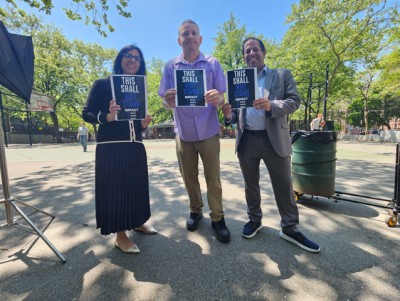
After the incidents in Queens, Rosen called me with a bold idea: organize a major rally to support the community and send a clear message that hate would not go unanswered.
“I told Daniel, ‘I’ve never organized a rally before — but let’s go.’”
What followed was a 72-hour grassroots mobilization effort. We secured permits, coordinated with police, reached out to rabbis, influencers, community organizations and allies — and just moved. The goal was simple: organize to mobilize for the community.
For Rosen, the motivation behind the rally was deeply personal and urgent. “You cannot come into our community and act in despicable ways and expect our community not to have an organized response,” Rosen said. “We wanted to let the world know that this shall not stand.”
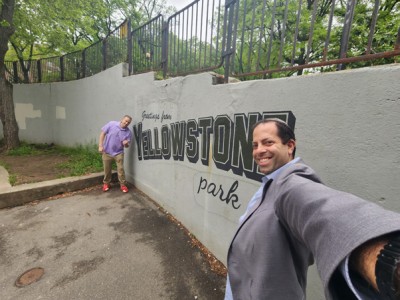
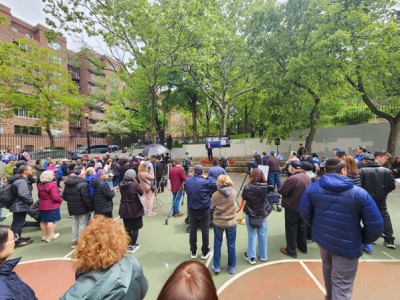
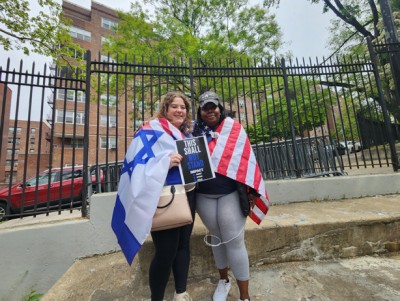
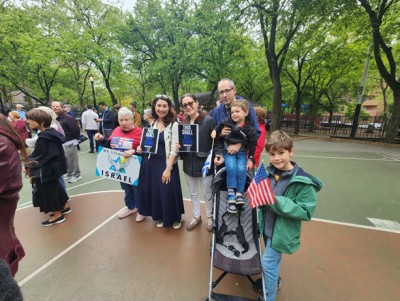
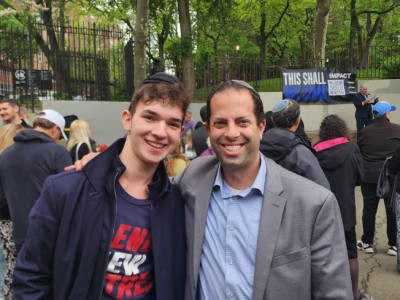
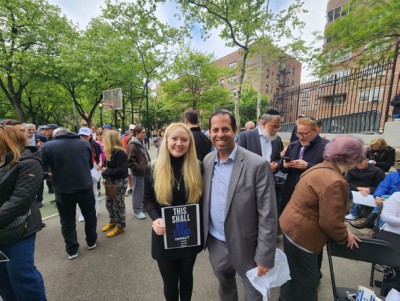
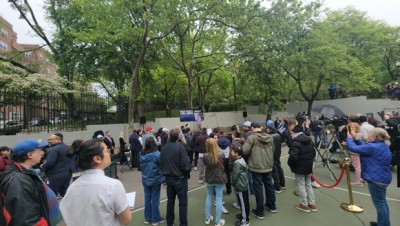
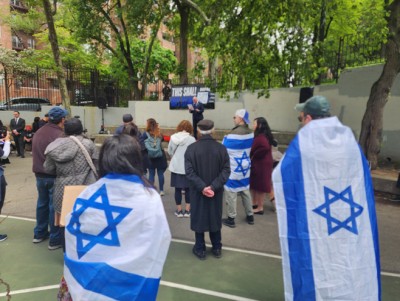
That idea became “This Shall Not Stand,” a massive rally at Yellowstone Park in Forest Hills. The event brought together more than 250 members of the Jewish community and allies from across the five boroughs and Westchester in response to the growing wave of antisemitism in New York City. The rally transformed fear and outrage into resilience, unity and action.
“This wasn’t just about graffiti,” Rosen said. “It was about the normalization of antisemitism in our neighborhoods, online and on our streets. We wanted to send a clear message: the Jewish community is not going to stay silent.”
The event followed multiple antisemitic attacks in Forest Hills and Rego Park, where swastikas and “Heil Hitler” graffiti were spray-painted across synagogues, homes and Jewish institutions — including Congregation Machane Chodosh, a synagogue founded by German Jewish refugees who escaped Nazi Germany. Days later, additional swastikas appeared in Queens parks and playgrounds, further alarming residents and community leaders.
Under the banner “This Shall Not Stand,” organizers aimed not only to condemn hate, but to launch a new model of Jewish grassroots mobilization built around visibility, allyship and action.
Visibility Stops Hate
One of the rally’s featured speakers, Jayne Zirkle, Director of Communications and Outreach for The Lawfare Project, stressed the importance of public action and allyship.
“Grassroots activism is powerful because it creates visibility,” Zirkle said. “If people don’t see others standing up to antisemitism, they stay silent — and history has shown us what happens when good people stay silent.”
Zirkle emphasized that antisemitism affects far more than the Jewish community. “It starts with Jews, but it never ends there,” she said. “Christians, Hindus, Muslims — everyone is impacted when hate and extremism are normalized.”
She praised the rapid mobilization organized by IMPACT and its partners. “You see antisemitic and anti-Israel mobs showing up loudly across the city,” she said. “We have to show up too. Never Again is now.”
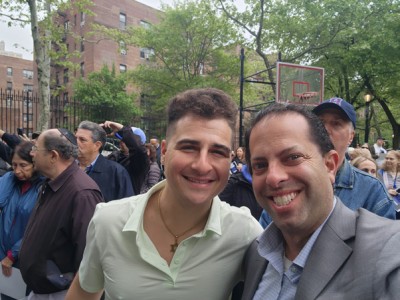
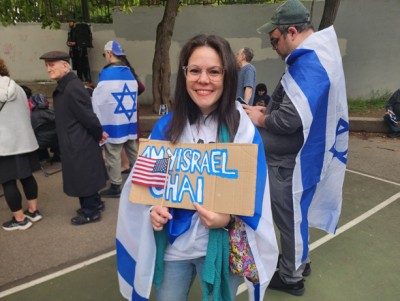
That spirit of allyship was visible throughout the rally.
By Aaron Herman
“This Shall Not Stand”: IMPACT Mobilizes Community And Allies Against Rising Antisemitism
Typography
- Smaller Small Medium Big Bigger
- Default Helvetica Segoe Georgia Times
- Reading Mode